Published: August 2st, 2026 Est. |⏱️~10 minutes
By Dusty Rhoades
New England’s land has an honest stubbornness. When the glaciers retreated more than ten thousand years ago, they didn’t just take the heat—they pushed most of the deep, loose topsoil somewhere else. What they left behind is compacted subsoil, heavy clay, and granite bedrock just inches below the surface.
If you’ve ever tried to dig even one shovel-depth into your yard, you’ve probably heard that metallic clang against stone. It’s not bad luck; it’s the region’s geology. I’ve built outdoor structures in seven climate zones—from Florida’s hurricane coast to the edge of Alaska’s permafrost. But in New England, the shovel often gives up on the second scoop.
This land taught me a crucial lesson: when the ground refuses to hold your roots, don’t fight it. Build upward.
That’s why raised beds aren’t a trendy choice here—they’re almost a necessity. They bypass all the problems of native soil: compacted glacial clay, overly acidic humus, and the lead or arsenic that may linger near older homes. More importantly, they give you back control over soil temperature and moisture in a place with a short growing season, muddy springs, and sudden fall frosts.
My rule hasn’t changed: your zip code matters more than any design magazine. So this guide is built around New England’s unique climate and bedrock. It focuses on raised beds that can stand up to blizzards, spring thaws, and salt-spray corrosion.
Why Build Up Instead of Down
Most New England soils are heavy. According to the USDA Natural Resources Conservation Service’s soil database (SSURGO, August 2022 release), the region has widespread shallow loam, with bedrock or hard subsoil often found at relatively shallow depth. These soils drain slowly. In spring, they hold meltwater and choke roots. In summer, when drought hits, that thin layer dries out fast.
Raised beds let you start fresh—whether you’re sitting directly on granite ledge or on a compacted gravel yard. You build a new root zone from scratch.
Another big advantage: warmer soil in spring. New England warms up slowly; frost can still hit in mid-May. Research from the University of New Hampshire Extension shows that raised bed soil can warm earlier than traditional garden soil—exactly how much depends on bed height, orientation, and your microclimate. In my experience across various sites, the gain can reach about 3–5°C under good conditions. That extra warmth often means you can transplant tomatoes and peppers about one to two weeks earlier, and still finish harvest before early fall frost. Meanwhile, the raised structure improves drainage, preventing the root rot that soggy clay often causes.
Also, if you live near an old house from the 1800s or early 1900s, be cautious. According to a 2019 fact sheet from the Massachusetts Department of Environmental Protection, lead from old paint and arsenic from past orchard use can accumulate in topsoil. Raised beds let you grow edibles in clean, mixed soil, cutting off that contamination path—something you can’t fully guarantee by just amending the ground.
How Tall and Wide Should Your Bed Be?
Bed depth depends on what you grow and how you handle winter. For shallow-rooted crops like lettuce and herbs, 20–25 cm of soil might suffice. But such shallow beds dry out fast in summer and lack heat mass in winter, which can hurt perennials during freeze-thaw cycles.
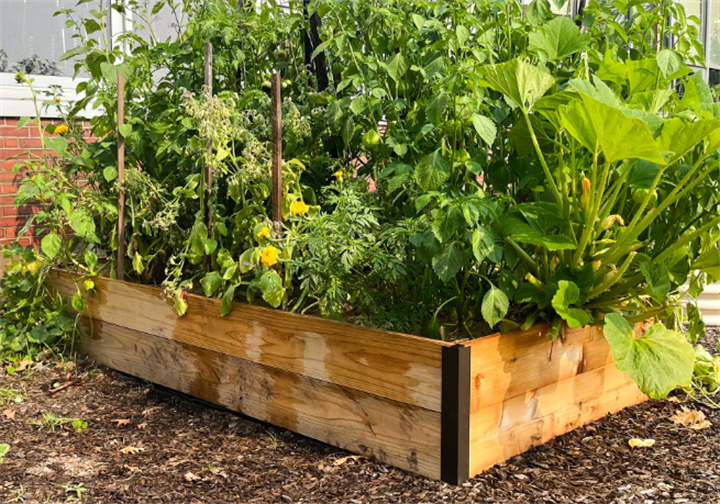
I recommend 30–45 cm as a solid baseline. That gives most annual vegetables—tomatoes, beans, squash—plenty of room to root, and offers enough thermal buffer to reduce frost heave.
If you grow deep-rooted crops like carrots or parsnips, or if you want to avoid bending over too much, go 45–60 cm. Just keep in mind: taller beds need a lot more fill soil, and their center of gravity shifts. On bedrock where you can’t sink posts, a heavier, deeper bed can stay put by its own weight, without anchoring.
For width, a simple rule: don’t make it wider than your arm can reach. Keep beds under 1.2 m across, so you can weed and harvest from both sides without stepping on the soil. Length is flexible, but if you go over 2.4 m, add cross-bracing or corner ties on the long sides. Otherwise, spring thaw can push the side panels outward.
Choosing Materials for New England Weather
I’ve seen salt fog turn ordinary galvanized screws into powder on Florida’s coast. So here in New England—especially within a mile of the coast—you have to consider salt spray, winter rain, and freeze-thaw cycles together.
Untreated naturally rot-resistant woods like red cedar and black locust are classic choices. Their natural oils resist decay, and they typically last 10–20 years, even with constant soil contact. Just don’t use old CCA (chromated copper arsenate) pressure-treated lumber for edible beds. The U.S. Environmental Protection Agency (EPA) has stated since 2004 that CCA can leach arsenic and chromium. Newer treatments like ACQ (alkaline copper quaternary) are considered safer, but check with your local extension office for current recommendations, and consider using a liner between wood and soil.
Metal beds—galvanized steel or corten—are extremely durable, often lasting over 20 years. But in full summer sun, metal sides can heat up the adjacent soil, stressing roots. So place heat-sensitive plants toward the center, or line the interior with wood boards. If you live along the Cape or coastal Maine, choose fasteners rated at least hot-dip galvanized, or better yet 316 stainless steel. Otherwise, structural rust can appear in less than two winters.
Stone or concrete beds are permanent, but they cost more upfront—significantly more than wood, given New England labor and materials. Composite materials are another low-maintenance option, with excellent frost resistance, but they typically run pricier than cedar. Whichever you pick, make sure to leave drainage gaps at the bottom so water doesn’t pool and freeze, which can warp panels.
Soil Mix: Leave Native Soil Behind
New England’s native soil tends to be acidic—many places test between pH 5.0 and 5.5, while most vegetables prefer 6.0 to 7.0. Raised beds let you start from a clean slate.
A proven recipe is "Mel’s Mix": equal volumes of blended compost, coarse vermiculite, and peat moss (Bartholomew, 2006). It holds moisture, drains well, and stays light, maintaining structure over several seasons. Peat mining has environmental concerns, so you can substitute coconut coir—but coir breaks down faster in New England’s cool, wet spring, so watch for settling.
A more budget-friendly route: mix 50:50 high-quality topsoil and fully aged compost. If your compost source is reliable, this gives good microbial activity at lower cost. Keep in mind that any freshly filled bed will settle—typically about 10–15% in the first year as organic matter decomposes—so overfill initially to account for that.
Placement and Construction: Factor in Wind and Frost
Orient beds for sunlight first. During the growing season, most vegetables need full sun—around 6–8 hours a day is a good rule of thumb. Align the long side north–south for even light exposure. Also consider prevailing winter winds. If your site is exposed to northwest gusts, put a windbreak (like dense shrubs or a frost fence) on the north side to reduce heat loss and prevent young seedlings from drying out.
If you’re building directly on exposed ledge, you can’t sink posts. Just level the rock and set the frame on top. Lay down landscape fabric at the bottom to keep soil from washing out through gaps. Bedrock usually drains well, but if water pools, lay 5–10 cm of gravel underneath to keep the bed from sitting in standing water that could freeze and deform the base.
For weed control: on grass or old soil, cut the weeds low, then lay two layers of damp cardboard or 6–8 layers of newspaper underneath. That blocks light and eventually breaks down into organic matter. Don’t use plastic sheeting—it stops water from draining and can cause waterlogging.
In New England, I stress corrosion-resistant hardware and frost-proof joinery. All brackets, screws, and bolts should be exterior-grade. Leave about 3 mm gaps between wood boards to allow for expansion and contraction; otherwise, corners can split in the first winter. If your bed sits on deep clay, add a gravel layer between the outer frame and soil to reduce pressure from frost heave.
Real-World Examples
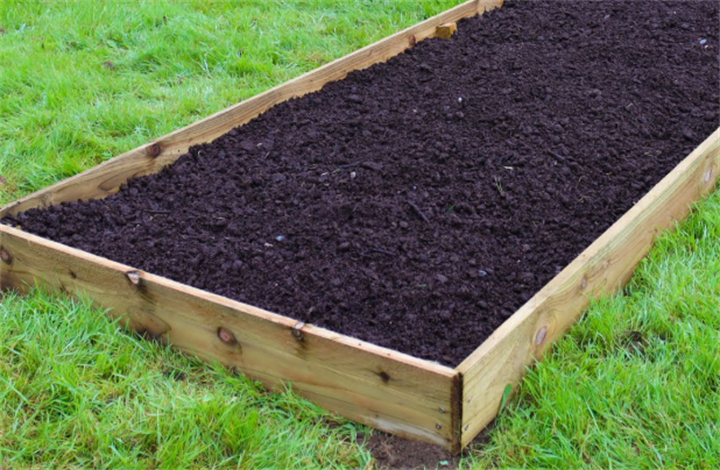
These aren’t just theories. The Juniper Point Garden in Ogunquit, Maine, sits on a low coastal ledge. It uses nine 1.2 m × 3 m raised beds, about 45 cm tall, made of rot-resistant wood, producing plenty of vegetables on near-solid rock (Fine Gardening, 2015; also documented in the Smithsonian’s Archives of American Gardens). They added French drains around the beds to divert spring meltwater and prevent erosion.
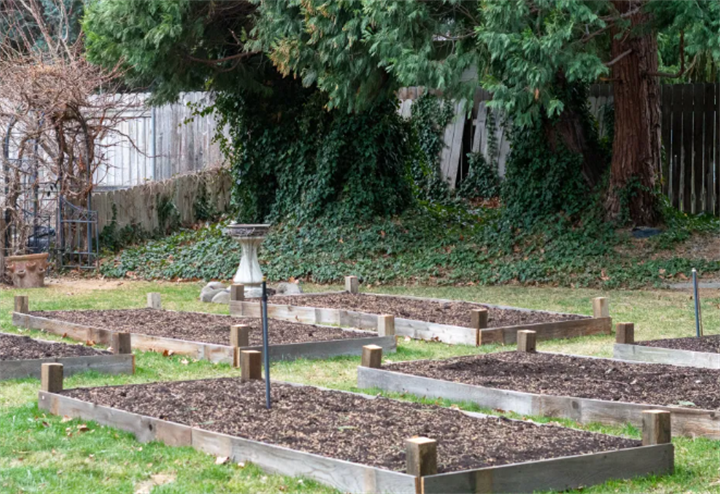
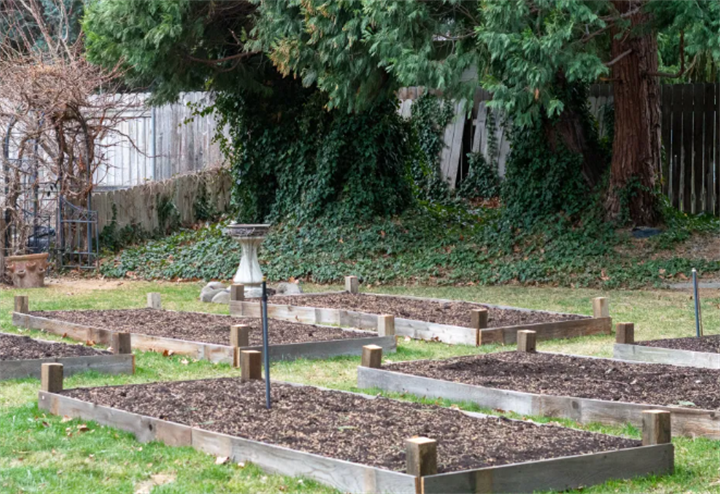
Inland, a private garden in New London had expanded to 18 raised beds by 2016, with pollinator-friendly flowers and ground covers between them to create microclimate buffers (also recorded in the Smithsonian archives). Both cases point to the same conclusion: in New England, going upward isn’t a compromise—it’s a smart way to fine-tune yield and labor.
Turning Bedrock from Obstacle into Foundation
If I’ve learned anything from years of building in extreme climates, it’s this: good construction isn’t about conquering the land. It’s about understanding its character and working within its limits. New England’s bedrock is honest—it tells you that digging down is hopeless. So raise your eyes. Use raised beds to put soil, drainage, and sunlight back in your hands, right on top of the granite. Choose the right depth, materials that resist salt and frost, a solid soil mix, and allow for winter settling. You’ll end up with a growing space that warms earlier, freezes later, and is easier to tend than any native plot. Here, control begins with compromise—and the payoff comes from building up.
FAQs
Q: Can I use pressure-treated lumber for my raised beds?
A: Avoid old CCA-treated wood. Newer ACQ or copper azole treatments are lower-risk, according to the EPA, but still consider a liner between wood and soil, and check with your local extension office for the latest guidance.
Q: Do metal beds overheat roots in summer?
A: In strong sun, metal sides can heat the soil near the edges. Move heat-sensitive plants toward the center, or insulate with a wood liner. The effect is usually limited to the outer few centimeters in larger beds.
Q: Will raised beds freeze harder in winter? Perennials might die?
A: Yes, raised beds often have colder soil in winter and more freeze-thaw cycles. That’s fine for annuals, but for perennials, choose varieties rated for at least one zone colder than yours, and mulch heavily before winter.
Q: On bedrock, will the bed shift or slide?
A: Taller, heavier beds stay put by weight alone. For shallow frames, add anti-slip pads underneath, or connect multiple beds together to resist horizontal movement.
Disclaimer
This article is based on the author’s hands-on experience across multiple climate zones. It is for informational purposes only and does not constitute professional engineering, horticultural, or environmental advice. Local microclimates, soil conditions, and building codes vary significantly. Please consult qualified local professionals or extension services before implementing any project, and follow all applicable building and environmental regulations. Mention of products or materials does not constitute endorsement; users should independently evaluate suitability.
References
[1] Bartholomew, M. (2006). All New Square Foot Gardening. Cool Springs Press.
[2] Fine Gardening. (2015). Garden at Juniper Point: Raised beds on a coastal Maine ledge. Fine Gardening, (162), 56–61.
[3] Massachusetts Department of Environmental Protection. (2019). Soil contamination from lead and arsenic in residential gardens. MassDEP Fact Sheet.
[4] University of New Hampshire Cooperative Extension. (2021). Raised bed gardening in northern New England. UNH Extension Publication.
[5] U.S. Environmental Protection Agency. (2004). Chromated copper arsenate (CCA): Consumer safety information. EPA.
[6] USDA Natural Resources Conservation Service. (2022). Soil survey geographic database (SSURGO) for New England. U.S. Department of Agriculture.
About the author:
Dusty Rhoades
Builder without a fixed address. Over the past decade, he has constructed from the hurricane-prone coast of Florida all the way to the permafrost of Alaska, building outdoor facilities and providing accommodation and meals for farms, towns, and national parks. He only recommends materials that have survived a snowstorm or an entire rainy season right in front of his eyes. His advice is: "Your postal code is more authoritative than any design magazine."
Recommend:
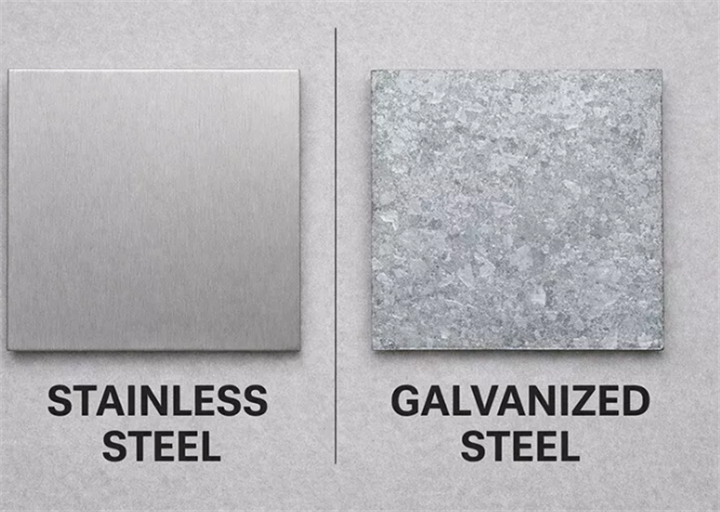
Hot-Dip Galvanized vs. Stainless Steel Hardware for Coastal Decks: A Life-Cycle Cost Analysis
How to Blend a Septic Mound Seamlessly Into Your Backyard Design
The Vanishing "Room" in Open-Plan Homes: A Bug-Proof, Breezy Screened Dining Porch
Creating a Backyard Oasis in Phoenix That Won’t Burn Your Feet – A Material Guide